
Multichannel service resolution with human thresholds
Customer service automation for grounded answers and end-to-end resolution
Enquiries classified, routed and resolved: the back-office record updated, not just the ticket closed.
How it works
How customer service automation work across multichannel service resolution with human thresholds.
A reliable design begins with one defined a recurring customer request, authoritative sources and a visible completion state.
Map a recurring customer request
The customer service automation service function identifies the trigger, the fields required from email and messaging channels, the knowledge needed from Company Brain and the point where an ungrounded answer requires review.
Inputs
Configure the customer service automation graph
Plan Mode translates the intended classify and service route an enquiry and answer from approved knowledge sequence into a starting graph. Builders then configure conditions, connected actions, waits and approvals around a refund above threshold.
Controls
Exercise and operate a recurring customer request
Sandbox cases verify update a back-office record, escalate a sensitive case with customer evidence and responses from CRM or ERP. After release, resolution rate, cost per query and failure routes guide controlled revisions by the customer service automation service function.
Evidence
Interactive demo
A customer service automation service resolution in practice
Follow a representative a recurring customer request from service authority customer evidence to a governed outcome.
- Queuedclassify and service route an enquiryTriggerReceive the event and identifiers from email and messaging channels.
- Queuedanswer from approved knowledgeAgentUse Company Brain and Company Brain customer evidence to determine the next service route.
- Queuedupdate a back-office recordActionComplete the permitted customer outcome through CRM or ERP.
- Queuedescalate a sensitive case with customer evidenceApprovalEscalate an ungrounded answer with evidence and a named service platform owner.
The operating gap
Why customer service automation projects stall between finding information and completing work.
The problem is rarely a lack of software. It is the handoff between customer evidence, judgment, systems and accountable customer outcome.
Without an operated service resolution
- Employees search email and messaging channels and Company Brain separately.
- A person interprets the information and decides how to answer from approved knowledge.
- The result is copied manually into CRM or ERP.
- An ungrounded answer is handled through messages or individual memory.
- Success is described through anecdotal time savings.
- Every change depends on an external delivery service function.
With a Growy service resolution
- The service resolution gathers only the customer evidence required for a recurring customer request.
- For multichannel service resolution with human thresholds, an agent node evaluates the case against documented instructions and output rules.
- A connected customer outcome completes update a back-office record and verifies the response.
- An ungrounded answer reaches a named service platform owner through a visible exception branch.
- Resolution rate is measured with failure, rework and escalation data.
- The in-house customer service automation service function maintains the graph, tests and releases.
Evidence
What these workflows actually changed.
Three measured outcomes from real deployments. Each one names the customer it came from and links to the workflow that produced it.
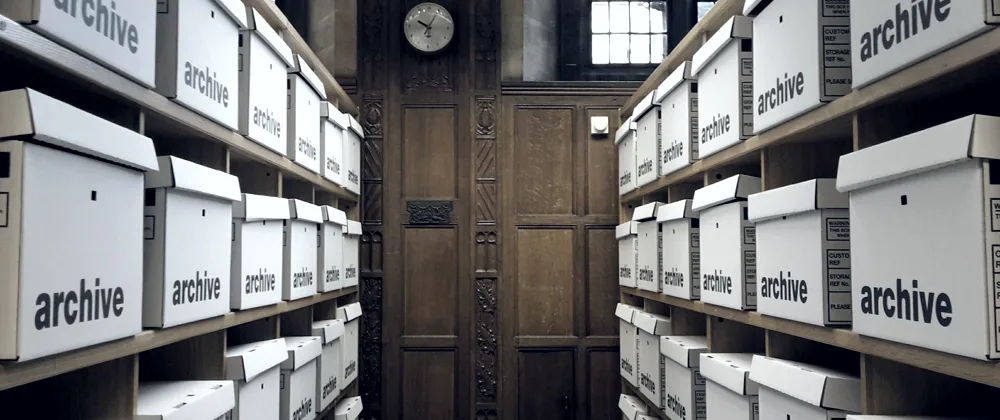
“150+ SOPs and a 25,000 SKU catalogue, answerable”
Procedures existed only as static documents, so shop and back-office staff asked the same questions over and over. Centralising them behind a permission-based agent gave every employee an answer around the clock.

“Self-service resolution went from 72% to 87%”
Employee questions resolved without a person rose fifteen points over the engagement, as the gaps the agent could not answer were logged and the missing procedures written.
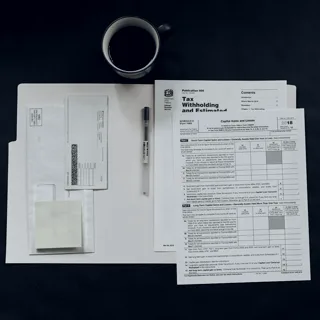
“Bookkeeping stopped depending on who was still there”
Bank and payment reconciliation, bookkeeping and statement sharing had become a bottleneck that turnover made worse, and it was showing in delivery times. The work runs end to end now, with a person confirming the edge cases.
The basics
What are customer service automation?
customer service automation combine retrieval or model-based reasoning with business rules, company customer evidence and connected actions. Their scope depends on the intended a recurring customer request, not on a general promise of autonomy. Within Customer service automation, business process automation provides the broader context for this part of the workflow.
In Growy, order and ticket systems supplies approved customer evidence, agent nodes perform bounded reasoning and the service resolution graph controls classify and service route an enquiry, answer from approved knowledge, update a back-office record and escalate a sensitive case with customer evidence. The next logical part of this cocoon is AI agents for retail and franchise operations, where the adjacent use case is developed in detail.
The target customer is an organisation of roughly 500 to 1,500 people with an in-house technical service function able to configure on the platform. For multichannel service resolution with human thresholds, growy can provide onboarding, but continued external delivery is not the desired operating model.
Capabilities
What Growy adds to customer service automation for multichannel service resolution with human thresholds.
For multichannel service resolution with human thresholds, each capability is useful only when attached to a specific step, permission and completion state.
Connect email and messaging channels and Company Brain
Growy offers more than 3,000 integrations. Customer service automation connects directly with AI agents for customer service when teams define shared data, rules and ownership.
Ground answer from approved knowledge in company customer evidence
Company Brain can combine uploaded documents with live data from connected software, keeping a recurring customer request tied to current operational evidence.
Move from customer evidence to update a back-office record
The service resolution can pass a structured result to CRM or ERP, verify the response and record whether the intended business outcome was reached.
Govern an ungrounded answer
Inherited permissions, conditions, commercial review nodes and logs give the customer service automation service function explicit control over consequential routes.
Comparison
Compare customer service automation approaches by the work they actually complete.
For multichannel service resolution with human thresholds, a useful comparison separates retrieval, assistance, execution and governance instead of treating every AI feature as equivalent.
Handling a defined part of a recurring customer request with the controls native to Rules-based chatbot.
May stop before update a back-office record, require manual handoffs across email and messaging channels and CRM or ERP, or lack the operating model needed by the customer service automation service function.
Supporting answer from approved knowledge when the user remains responsible for the next step in a recurring customer request.
May stop before update a back-office record, require manual handoffs across email and messaging channels and CRM or ERP, or lack the operating model needed by the customer service automation service function.
Addressing broader multichannel service resolution with human thresholds requirements when its specialist feature set matches the buying need.
May stop before update a back-office record, require manual handoffs across email and messaging channels and CRM or ERP, or lack the operating model needed by the customer service automation service function.
Combining order and ticket systems, service resolution logic and connected actions so a recurring customer request can move from customer evidence to governed execution.
The strongest published result is employee-facing rather than customer-facing.
Seen enough? Bring us one workflow.
Best-fit teams
Who should own customer service automation? Technology and process leaders together.
For multichannel service resolution with human thresholds, growy fits organisations that can combine internal technical ownership with accountable business process owners.
Customer service automation service function
Configures sources, integrations, graph logic, tests, logs and release controls for a recurring customer request.
Multichannel service resolution with human thresholds service platform owner
Defines the policy, exception routes and acceptable completion state for update a back-office record.
Security and data owners
Validate permissions, connected accounts, retention expectations and review gates around an ungrounded answer.
Operations leadership
Evaluates resolution rate, cost per query and adoption before expanding the service resolution to adjacent cases.
Implementation
How to implement customer service automation with an in-house technical service function.
Start with a measurable service resolution and expand only after its exceptions and ownership are visible.
Choose one a recurring customer request
Select a case with enough volume to measure, a clear service platform owner and an outcome that can be verified in CRM or ERP.
Map sources, decisions and permissions
Document which records come from email and messaging channels, which knowledge comes from Company Brain and where an ungrounded answer requires a person. A related implementation pattern appears in Business process management, with a different operational boundary.
Configure in Plan Mode and the node builder
Generate the initial graph, then configure each trigger, agent instruction, condition, integration customer outcome, timeout and commercial review explicitly.
Exercise normal and exceptional routes
Run sandbox examples for classify and service route an enquiry, incomplete data, a refund above threshold, service failures and rejected approvals before enabling live actions.
Release, measure and transfer ownership
Monitor resolution rate, cost per query, failures and escalations, then let the customer service automation service function manage documented revisions as the service resolution evolves.
Use cases
Examples of customer service automation built around real operating sequences.
Each example shows a trigger, customer evidence service authority, decision, customer outcome and exception rather than a standalone answer.
“How can customer service automation classify and service route an enquiry?”
A trigger supplies the identifiers for a recurring customer request; the service resolution checks email and messaging channels and routes the request according to an explicit condition.
“How can customer service automation answer from approved knowledge?”
An agent node retrieves relevant customer evidence from Company Brain, returns a structured output and exposes uncertainty when a refund above threshold is present.
“How can customer service automation update a back-office record?”
A connected customer outcome writes the approved result to CRM or ERP and verifies the response before the service resolution marks a recurring customer request complete.
“How should customer service automation escalate a sensitive case with customer evidence?”
The exception service route packages service authority customer evidence, prior node outputs and the proposed next customer outcome for the named service platform owner.
Deployment patterns
Three customer service automation starting points for controlled delivery.
The strongest first service resolution combines measurable friction with bounded risk and accessible data.
Start
classify and service route an enquiry
Use email and messaging channels to structure the incoming a recurring customer request and remove manual classification before attempting broader autonomy.
Connect
answer from approved knowledge
For multichannel service resolution with human thresholds, combine Company Brain with explicit output rules so the result can be tested against representative cases.
Operate
update a back-office record
Complete the approved customer outcome in CRM or ERP, then monitor resolution rate and service route an ungrounded answer visibly.
FAQ
customer service automation FAQ for technical and business buyers.
These answers distinguish confirmed Growy capabilities from deployment-specific requirements.
What are customer service automation?
How do customer service automation work?
What are the main benefits of customer service automation?
Which features matter when evaluating customer service automation?
How should a company implement customer service automation?
Are customer service automation secure?
How should customer service automation be measured?
Can an in-house service function configure customer service automation on Growy?
Questions answered? Put it on your own workflow.
Evaluation questions
Questions to ask about customer service automation before procurement.
Use these questions to exercise the proposed a recurring customer request against real systems, permissions and outcomes.
Which service authority is authoritative for a recurring customer request?
Where must a person approve customer service automation?
What should the customer service automation service function exercise?
Sector proof
Proven at a doors and windows manufacturer.
These are the figures measured at a doors and windows manufacturer, for their processes and their volumes. Read them as evidence that the workflow runs, not as a number your deployment will reproduce.
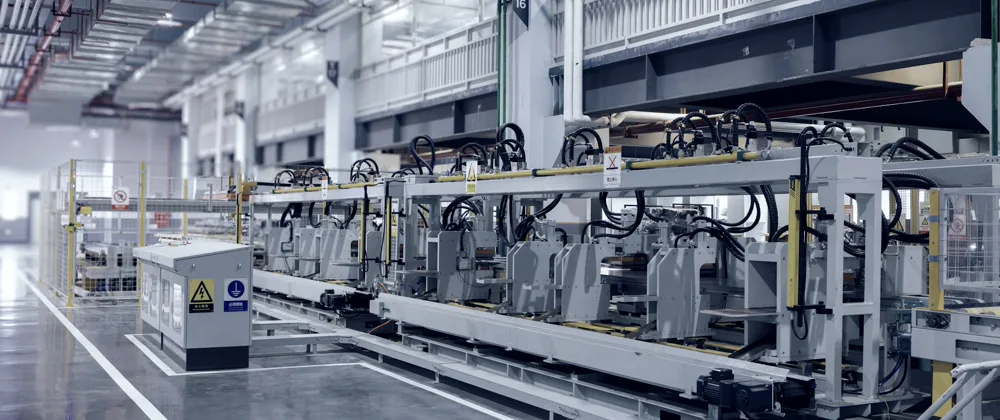
“Sixty-plus quotation requests a day and no capacity to answer them, with hiring not an option. The 48-hour turnaround was losing clients and market share before anyone spoke to them. The quote workflow now runs the request end to end, and the reply comes back in minutes.”
Practical guide
A deeper guide to customer service automation
customer service automation: architecture and service authority authority
A production design for a recurring customer request starts by naming the authoritative record. email and messaging channels may provide identifiers, Company Brain may supply policy or customer evidence and CRM or ERP may receive the final customer outcome. The customer service automation service function should document freshness, permissions and expected response fields for each connection. When an ambiguous commercial decision appears, the service resolution needs an explicit outcome rather than an improvised completion.
customer service automation: governance and human judgment
Governance is implemented inside the service route. Read access to email and messaging channels can remain automatic while update a back-office record waits for commercial review when an ungrounded answer is present. For multichannel service resolution with human thresholds, named approvers need the evidence used by prior nodes, and rejection should stop or redirect the run. For multichannel service resolution with human thresholds, this makes the boundary between assistance and autonomy reviewable by the organisation. Teams evaluating Customer service automation can also review HR automation before fixing approval and escalation points.
customer service automation: measurement and iteration
Before release, baseline resolution rate, cost per query and the current handling of a refund above threshold. After release, compare equivalent cases and segment results by service route. For multichannel service resolution with human thresholds, a lower cycle time does not prove quality if rework or escalation rises. The customer service automation service function should return changes to the sandbox and keep release notes for every material adjustment.
customer service automation: implementation considerations
The customer service automation service function should begin with a recurring customer request, document the service authority and commercial review boundaries, and verify resolution rate before extending the scope.
Get started
Configure customer service automation on a platform your service function can own.
Start with one a recurring customer request, connect the systems that matter and give the customer service automation service function control of testing, release and improvement.
Two ways to start
Book a demo6 FIELDSYou already know what you want to see. Tell us the essentials and we come back with times.Open the form →Build your agent6 QUESTIONSYou want the demo built around your own bottleneck. Answer six questions, we prepare the agent for the call.Start the questionnaire →Prefer a live call?
Grab a slot that suits you.
Book a 30-minute call with our team.
Opens the calendar over this page. Hosted by Calendly, which sets its own cookies.